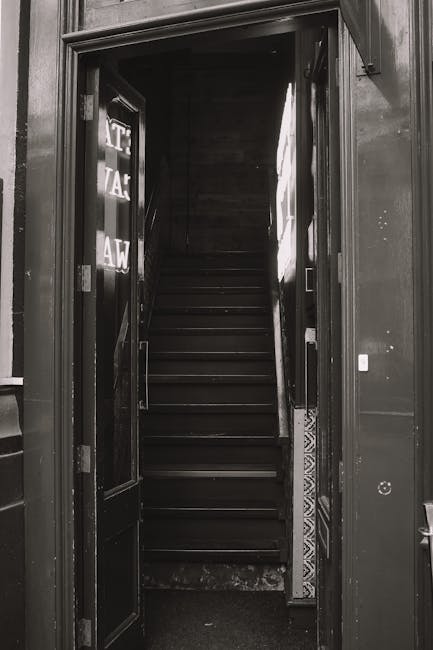
Difficult access cleaning in Islington narrow stairs tips
Posted on 30/06/2026
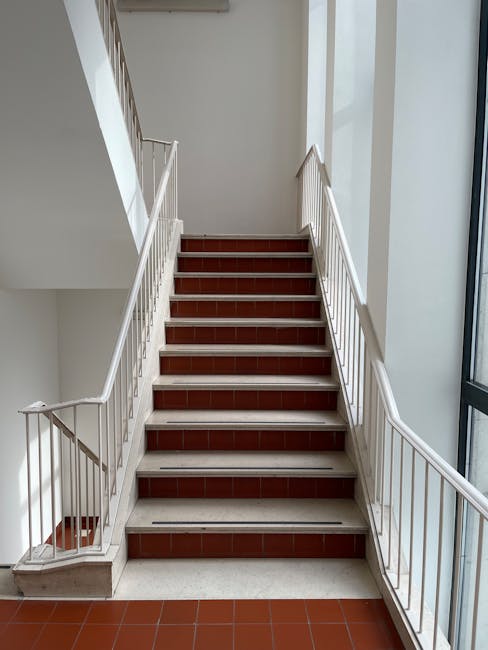
Difficult access cleaning in Islington narrow stairs tips: how to make tight stairways work without stress
Anyone who has tried to carry cleaning equipment up a narrow Islington staircase knows the feeling: shoulders angled sideways, one hand on the rail, and that awkward moment where the vacuum or carpet cleaner suddenly seems twice as wide as the stairwell. Difficult access cleaning in Islington narrow stairs tips is really about solving that exact problem in a calm, practical way. Whether you live in a converted townhouse, a split-level flat, or a top-floor apartment with a tight landing, the right approach can save time, reduce damage, and make the job much less of a headache.
In this guide, we'll cover how access issues affect cleaning, what to prepare before the team arrives, which methods work best in narrow staircases, and the mistakes people often make when they rush it. You'll also find a checklist, a comparison table, and a real-world example drawn from the sort of layouts Islington residents deal with every day. It's not glamorous, granted. But it is useful.
Why difficult access cleaning in Islington narrow stairs tips matters
In Islington, access is often the real challenge, not the cleaning itself. Older properties, basement conversions, maisonettes, and upper-floor flats can all have stairs that are steep, narrow, crooked, or badly lit. Add a heavy machine, a bucket, drying fans, or bags of cleaning kit, and suddenly a simple appointment becomes a logistics exercise.
That matters for a few reasons. First, tight access slows everything down. Second, it increases the chance of scuffed walls, chipped paint, carpet snagging, or accidental knocks on bannisters and glass panels. Third, poor planning can affect the quality of the clean itself. If an operator has to keep making awkward trips to the van, or if the machine brought in is too large for the landing, the job usually becomes less efficient. And nobody wants a half-finished job because the equipment can't get round the bend.
There's also the human side of it. Residents in narrow-stair properties are often juggling work, children, neighbours, shared entrances, and limited time slots. A cleaning visit that goes smoothly feels almost invisible; one that doesn't can affect the whole day. That is why the practical details matter more than people expect.
Expert summary: Narrow stairs are not just an inconvenience. They change the way cleaning must be planned, carried, protected, and completed. The safest approach is usually the simplest one: measure carefully, strip the route back to basics, and use equipment sized for the access rather than the task alone.
If you're comparing broader service options before booking, it can help to look at the full range of cleaning services available so you know what kind of setup is likely to suit your property.
How difficult access cleaning works
"Difficult access cleaning" is a broad phrase, but in practical terms it usually means cleaning work that has to be carried out where entry, movement, or equipment placement is constrained. In Islington, that often means narrow stairs, tight corridors, small front halls, awkward basement turns, and no lift. Sometimes the issue is not the width of the staircase itself, but the combination of width, angle, ceiling height, and fragile surroundings.
The process usually starts before anyone picks up a mop. A good cleaner or client will assess:
- the width of the stairwell and landings
- where the turns are, especially on the upper half of the staircase
- what the floors and walls are made of
- whether there is space to store tools temporarily
- how the cleaning kit will be moved without blocking others
- any risks such as loose railings, poor lighting, or slippery surfaces
From there, the cleaner chooses the method that best fits the access. That might mean using compact machines, carrying fewer items at once, breaking the job into smaller stages, or working with a dry-first approach before any wet cleaning starts. For carpets, upholstery, or deep-cleaning work, the choice of equipment matters even more because bulky machines are often a poor match for steep stairs. If you're dealing with fabrics or furnishings, upholstery cleaning in Islington is a useful reference point for understanding how awkward access changes the workflow.
One small but important detail: a lot of difficult-access jobs go wrong because people focus on the room and forget the route to the room. That sounds obvious, but in real life it gets missed all the time. You may have a perfect cleaning plan on paper and still end up with a vacuum that won't turn the corner. Happens more than you'd think.
Key benefits and practical advantages
When access is handled properly, the benefits are bigger than simply "getting in and out." The whole job becomes safer, calmer, and usually better value for money. Here's what that looks like in practical terms.
- Less damage risk: Protective planning reduces marks on walls, stair edges, and delicate finishes.
- Faster turnaround: Fewer obstacles usually mean fewer delays and less back-and-forth.
- Cleaner results: Equipment that fits the space can actually reach the places it needs to reach.
- Better neighbour relations: Shorter, quieter movement through shared spaces is easier on everyone.
- Lower stress: Good access planning removes a lot of last-minute panic.
There's another advantage that gets overlooked: confidence. When a property is known to be difficult to access, many people assume a thorough clean will be complicated or expensive. In truth, it often just needs a smarter process. That can be reassuring, especially if you're preparing a flat for guests, tenants, or a sale. If that's your situation, end of tenancy cleaning in Islington is worth considering alongside access planning, because move-out deadlines and narrow stairs rarely make a friendly combination.
For landlords and homeowners alike, the practical payoff is simple: better planning tends to protect finishes, preserve time, and reduce the likelihood of complaints. That's not flashy, but it's exactly what you want.
Who this is for and when it makes sense
This advice is most useful for people living or working in properties where moving standard cleaning equipment is awkward or risky. That includes many Islington homes, especially older terraces split into flats, period conversions, and upper-floor apartments with slim staircases.
You'll especially benefit from difficult access planning if you are:
- a tenant preparing for inspection or end of tenancy
- a landlord arranging a changeover clean between occupiers
- a homeowner with a narrow staircase, sharp turn, or little landing space
- an office manager dealing with tight service access in a converted building
- someone booking a deep clean after renovation, illness, or heavy use
It also makes sense if your property has a mix of access issues rather than one obvious problem. For example, the stairs might be narrow, the hallway might be cluttered, and the front door might open into a tight vestibule. Taken separately, each problem is manageable. Together, they can really slow things down.
If you are planning a wider seasonal refresh, spring cleaning in Islington can be a sensible time to tackle access-heavy areas because you can clear clutter and organise multiple tasks in one visit. And for recurring upkeep in busy homes, domestic cleaning in Islington may be the better fit if you want fewer disruptive setups over time.
Step-by-step guidance
If you want the clean to go well, treat the staircase as part of the job plan, not just the route to the job. Here's the simplest way to approach it.
- Measure the narrowest points. Don't guess. Measure stair width, landing width, door clearance, and any turns where equipment may need to pivot.
- Clear the path completely. Move shoes, coats, prams, bins, breakables, and loose mats. Every extra object becomes an obstacle once the work starts.
- Check surfaces for fragility. Painted walls, soft wood rails, carpet runners, and exposed corners all need different protection.
- Decide what can be carried and what should stay outside. If something is too bulky, it may need a different machine or a different method.
- Protect the route. Use corner guards, cloths, or temporary coverings where needed. Even a well-placed towel can prevent a scuff.
- Work from top to bottom or bottom to top consistently. Pick a sequence and stick to it so traffic on the stairs stays predictable.
- Keep supplies minimal. Carry only what is needed for the current stage. Too many bottles in one trip is how accidents happen.
- Inspect before leaving. Check walls, bannisters, step edges, and the most likely snag points one last time.
For deep dirt, odours, or a build-up that needs more than routine attention, deep cleaning in Islington may be the right service type, because difficult access usually works best when the treatment is planned around the route as much as the room.
One more thing: if the stairs are especially tight, sometimes the best "tip" is to use less equipment, not more. Minimal kit, fewer trips, fewer problems. Very unglamorous. Very effective.
Expert tips for better results
People often think the answer is "use smaller tools," and yes, that helps. But the better answer is to think like a mover and a cleaner at the same time. A few field-tested habits make a noticeable difference.
- Plan the first and last trip. The first load in and the final load out are the moments when damage usually happens.
- Use compact, not cramped, equipment. Compact machines can still be powerful; they just fit the route better.
- Protect corners before they're needed. Waiting until you've already clipped the paint is, shall we say, not ideal.
- Label chemicals clearly. Narrow stairs and rushed handovers are a poor mix if bottles look alike.
- Leave a clear landing zone. Even a small clear patch helps a lot when items need setting down safely.
- Watch the weather. Wet shoes on steep stairs are a small thing until someone slips. London drizzle can be annoyingly persistent.
For fabric care, it can also help to check whether the cleaning need is part of a wider household refresh. If sofas, chairs, or curtains are involved, the route becomes more important because damp or delicate items need extra handling time. In those cases, house cleaning in Islington may be a useful complement, while carpet cleaning in Islington can handle the heavier floorwork once access is sorted.
And don't underestimate communication. A two-minute message before arrival about stair width, parking restrictions, or shared entrance codes can prevent a twenty-minute delay later. Honestly, that tiny bit of prep solves a lot.
Common mistakes to avoid
The biggest mistakes are rarely dramatic. They're the little things that pile up.
- Not measuring access properly. Eyeballing a staircase is how oversized machines end up stuck on the landing.
- Leaving clutter on the stairs. A "temporary" pile of parcels or shoes can become a genuine hazard.
- Assuming one machine fits all spaces. It often doesn't. A powerful machine is not helpful if it can't turn.
- Ignoring lighting. Dim stairs make trip hazards harder to spot, especially with wet work.
- Overloading one person with too much kit. Too many bags, too many bottles, too much wobble.
- Skipping a final check. People get tired and rush. That last inspection matters.
Another common issue is failing to match the service to the access. A move-out clean, a one-off refresh, and a full deep clean are not the same thing. If your job needs a single visit with a clearly defined scope, one-off cleaning in Islington can fit the brief better than a more open-ended setup.
There's also a budget mistake to avoid: not discussing access costs or timing changes in advance. It's better to ask the awkward question upfront than to be surprised later. If cost transparency matters to you - and it should - pricing and quotes is the sort of page that can help set expectations before a booking.
Tools, resources and recommendations
You do not need a van full of specialist gear to manage difficult access cleaning well. In many cases, the most useful tools are the simplest ones.
- Measuring tape: for stairs, doors, and landing turns.
- Microfibre cloths: easy to carry, quick to use, low risk of dripping.
- Compact vacuum attachments: especially useful on step edges and tight corners.
- Corner protection or soft coverings: helpful for bannisters and paintwork.
- Bucket with lid: safer than open containers on stairs.
- Good lighting: a torch or bright portable light can prevent mistakes in dim halls.
For residents and managers who want to understand the wider service picture before booking, about us can help you judge whether a provider sounds organised and transparent, while insurance and safety is especially relevant when work is taking place in tight, easy-to-damage spaces. That is not overcautious. It's just sensible.
If you are trying to keep a clear paper trail for a tenancy, a building manager, or a cleaning agreement, terms and conditions and privacy policy can also be worth reviewing. Not thrilling reading, I know. But the boring bits often save future arguments.
Law, compliance, standards, or best practice
For most domestic cleaning jobs, the legal side is less about special permits and more about basic safety, care, and reasonable conduct. In the UK, people working in awkward stair spaces should follow sensible manual handling practice, use suitable equipment, and avoid creating hazards for occupants or neighbours. That usually means keeping routes clear, lifting within safe limits, and not forcing oversized items through spaces where they clearly do not belong.
Best practice also includes protecting shared areas in flats and conversions. If a staircase is communal, the cleaner should avoid blocking access for other residents and should leave the area as tidy as it was found, ideally tidier. In properties with fragile finishes or older features, caution matters more than speed. Period staircases can be unforgiving, and once a scuff or chip is there, it tends to stay there glaring at you for weeks.
If children, pets, or elderly residents are in the home, extra care is sensible around drying floors, trailing cables, and chemical storage. No drama, just common sense. A good provider should be comfortable explaining their approach in plain English. If they can't do that, it's fair to pause and ask more questions.
For businesses, access planning should also fit normal workplace safety expectations. That may include keeping walkways clear, protecting staff areas, and scheduling work at quieter times. If office or mixed-use buildings are involved, office cleaning in Islington is the more relevant service route, especially where stairs and foot traffic overlap.
Options, methods, or comparison table
Different access problems call for different approaches. Here's a simple comparison that shows why one method is not always the right method.
| Method | Best for | Pros | Watch-outs |
|---|---|---|---|
| Compact equipment | Narrow stairs, small landings, tight turns | Easier to carry, lower bump risk, more flexible | May take longer if the job is very large |
| Minimal-carry setup | Homes with fragile walls or awkward shared areas | Fast loading, fewer trips, less clutter | Needs good planning so nothing important is left behind |
| Section-by-section cleaning | Multi-room jobs with one difficult staircase | More control, easier sequencing, less congestion | Can feel slower if communication is poor |
| Full deep clean with access prep | Move-outs, post-renovation, neglected rooms | Thorough result, better finish, strong reset | Needs the most organisation and clear access |
In most Islington homes with narrow stairs, the best answer is not the biggest machine or the fastest method. It is the method that matches the building. Sometimes the smart choice looks modest from the outside, but it performs better in real life. Funny how often that happens.
Case study or real-world example
Imagine a top-floor flat near Upper Street with a steep internal staircase, one tight turn halfway up, and a small entrance hall just big enough for a coat rack and two pairs of boots. The resident wants the carpet cleaned before visitors arrive on Saturday morning. Nothing huge, just a practical refresh. But the access changes everything.
Instead of bringing in a large, heavy setup and hoping for the best, the cleaner checks the route first, notes the narrowest point, and decides to split the work into smaller sections. A compact machine is carried in one piece at a time, with protective coverings placed at the landing corner and near the wall edge. Wet areas are kept to a minimum. Supplies are staged outside the staircase so the steps remain clear.
The result is simple: no scuffs, no awkward turning, no delay from trying to manoeuvre a machine that was never going to enjoy that staircase in the first place. The carpet gets the attention it needs, the resident keeps the building intact, and the clean finishes on time. That's the real goal here. Not fancy, just smooth.
If you want an example of the kind of practical guidance that fits local flats, this Upper Street flat cleaning guide and these N1 apartment carpet cleaning tips are useful related reads. They speak to the same reality: Islington homes often need a method that respects the building, not just the stain.
Practical checklist
Use this before any difficult-access cleaning appointment. It's the sort of list that looks basic and saves the day.
- Measure stair width, landing width, and door clearance
- Clear shoes, prams, bins, parcels, and loose items from the route
- Confirm whether the staircase is private or shared
- Check for low lighting, damaged steps, or slippery spots
- Protect corners, bannisters, and fragile wall edges
- Choose equipment that fits the route, not just the room size
- Keep cleaning products and tools grouped by task
- Plan where items can be set down safely on the way up or down
- Warn neighbours or housemates if access will be temporarily disrupted
- Inspect the staircase and surrounding areas after the job
If you are still in the planning stage and want to talk through access concerns before booking, it may be worth starting with a request for a quote or reaching out via the contact page. That gives you a chance to explain the staircase situation clearly rather than leaving it to guesswork.
Get a free quote today and see how much you can save.
Conclusion
Difficult access cleaning in Islington narrow stairs tips is really a planning guide in disguise. The cleaning itself matters, of course, but the staircase often decides how smooth the job will be. Measure carefully, remove clutter, protect vulnerable surfaces, and choose methods that fit the building rather than fighting it. That's the simple version, and honestly, it's the version that works.
Whether you're preparing for a tenancy change, tidying up a family home, or sorting a top-floor flat with awkward bends and tight landings, the right preparation can save time and spare you a lot of hassle. The best results usually come from calm, practical thinking - and a little patience. Not every job needs heroics.
In a city like Islington, where character homes and compact staircases are part of the landscape, that steady approach goes a long way. Take it step by step, and the whole thing becomes much more manageable.