Highbury Estate upholstery cleaning and stain removal guide
Posted on 06/06/2026
If your sofa has started to look a bit tired, or that one mystery stain is refusing to budge no matter how gently you dab at it, you are not alone. This Highbury Estate upholstery cleaning and stain removal guide is here to help you understand what works, what makes things worse, and when it is smarter to call in a professional. Upholstery can be surprisingly forgiving, but only if you treat it with the right method for the fabric, the stain, and the age of the mark.
In a busy Highbury home, it is usually the small accidents that build up: a dropped coffee during a rushed morning, muddy coat sleeves after a damp London walk, or food spills during a low-key evening in. A good approach saves time, protects the fabric, and helps your furniture last longer. Let's get into it properly.

Why Highbury Estate upholstery cleaning and stain removal guide Matters
Upholstery gets more use than most people realise. You sit on it, lean on it, nap on it, eat near it, and sometimes spill on it without even noticing until later. That means dirt does not just sit on the surface; it works its way into the fibres, along seams, and down into the padding. Over time, this creates dullness, odour, and stains that become harder to remove.
In Highbury Estate, where many homes balance everyday family life, work-from-home routines, and compact living spaces, upholstery often carries a lot of daily traffic. A clean sofa or armchair does more than look nice. It makes the room feel fresher, reduces the build-up of dust and allergens, and helps preserve the fabric and cushioning underneath. Truth be told, the difference is often more noticeable than people expect.
Stain removal matters because not every mark should be treated the same way. Water-based stains, oil-based stains, protein stains, and dye transfer all behave differently. A rushed "one-size-fits-all" treatment can set the stain or spread it. That is why a proper cleaning plan matters, especially on delicate or mixed-fibre fabrics.
For larger home care projects, many residents also look at related services such as deep cleaning in Islington, spring cleaning support, and broader domestic cleaning services in Islington when the furniture issue is part of a bigger reset. That can be especially useful before guests arrive, after a busy season, or ahead of a move.
How Highbury Estate upholstery cleaning and stain removal guide Works
At its simplest, upholstery cleaning works by loosening soil from the surface and drawing it out of the fibres without damaging the fabric structure. Stain removal is a more careful process. You first identify the stain type, then choose the safest treatment, then work gently and patiently. A good result is usually about restraint, not force.
Professional upholstery cleaning methods in London commonly include vacuuming, spot treatment, low-moisture cleaning, hot-water extraction for suitable fabrics, and controlled drying. Steam is sometimes mentioned casually, but upholstery is not just a "blast it and hope" job. Some materials can shrink, watermark, or distort if too much moisture is used. Velvet, silk blends, antique fabrics, and certain natural fibres need particular caution.
Before any cleaning begins, you should check the care label if one is present. Many upholstered items use shorthand codes that tell you what is safe:
- W - water-based cleaning is generally suitable
- S - solvent-only cleaning is recommended
- WS - either water or solvent methods may work, depending on the item
- X - vacuum only, or very limited professional care
If there is no label, or the label is faded, that does not mean you should guess. It means you should test carefully in a hidden spot and avoid aggressive products. A small patch test can save a very expensive mistake. And yes, it is a bit boring. Still worth it.
For many households, the process starts with a combination of targeted stain treatment and a general refresh. If you are unsure whether the piece needs a specialised approach, a look at upholstery cleaning in Islington can help set expectations around the type of service normally used for sofas, chairs, footstools, and dining seating.
Key Benefits and Practical Advantages
A clean upholstered piece does more than brighten a room. The practical benefits are broad, and in day-to-day living you notice them quite quickly.
- Better appearance: Brightens colours, reduces dull patches, and restores a fresher look.
- Improved hygiene: Removes trapped dust, crumbs, skin flakes, and general grime.
- Odour reduction: Helps reduce lingering smells from spills, pets, smoke, or damp.
- Longer fabric life: Proper cleaning can slow down wear and fibre breakdown.
- Better stain control: Fast, correct treatment gives the best chance of full removal.
- More comfortable living: A clean sofa simply feels better to use, doesn't it?
There is also a financial angle. Replacing a quality sofa, dining chair set, or upholstered bed frame is expensive. Regular cleaning and sensible spot treatment can delay replacement and keep the item looking respectable for longer. That matters in a home where furniture has to work hard every single day.
For rental homes or shared properties, upholstery care can also help with presentation. If you are preparing for a move or trying to keep a property in good condition, you may find it useful to compare with end of tenancy cleaning in Islington or browse the full services overview to see where upholstery care fits into a wider cleaning plan.
Expert summary: the best upholstery cleaning is not the one that looks the most dramatic. It is the one that removes soil and stains safely, preserves the fabric, and dries properly without leaving residue or a stiff finish.
Who This Is For and When It Makes Sense
This guide is useful for almost anyone with upholstered furniture, but a few groups tend to need it most:
- Homeowners who want to extend the life of sofas, armchairs, and dining chairs
- Renters who need to keep interiors presentable and avoid avoidable damage
- Families with children where food, juice, and sticky hands are part of daily life
- Pet owners dealing with fur, smells, or the occasional accident
- Busy professionals who want a cleaner home without spending all weekend on it
- Property sellers and landlords aiming for a polished first impression
It makes sense to act sooner rather than later if you notice any of the following:
- the fabric looks grey or flat in high-contact areas
- you can smell a faint stale odour when the room is closed up
- spills are starting to leave rings or blotches
- the sofa feels sticky, dusty, or rough to the touch
- there has been an accident involving wine, coffee, makeup, grease, ink, or pet mess
One common scenario in Highbury is a nice-looking sofa that seems fine until sunlight hits it in the afternoon and exposes every old patch, fingerprint, and tea mark. You notice it all at once. Then it becomes very obvious. A decent cleaning routine prevents that awkward moment.
If you are already thinking broader than one item, you might also find house cleaning in Islington helpful for a fuller reset, especially before hosting or after a hectic period.
Step-by-Step Guidance
Here is the practical part. This is the sort of process that gives you a sensible chance of success without making the stain situation worse. To be fair, restraint is half the battle.
1. Identify the fabric
Check the care label, manufacturer notes, or at least whether the fabric looks like cotton, linen, velvet, microfiber, leather-look synthetic, or a blend. Delicate fabrics need more caution. If you are not sure, assume it is sensitive until proven otherwise.
2. Vacuum thoroughly
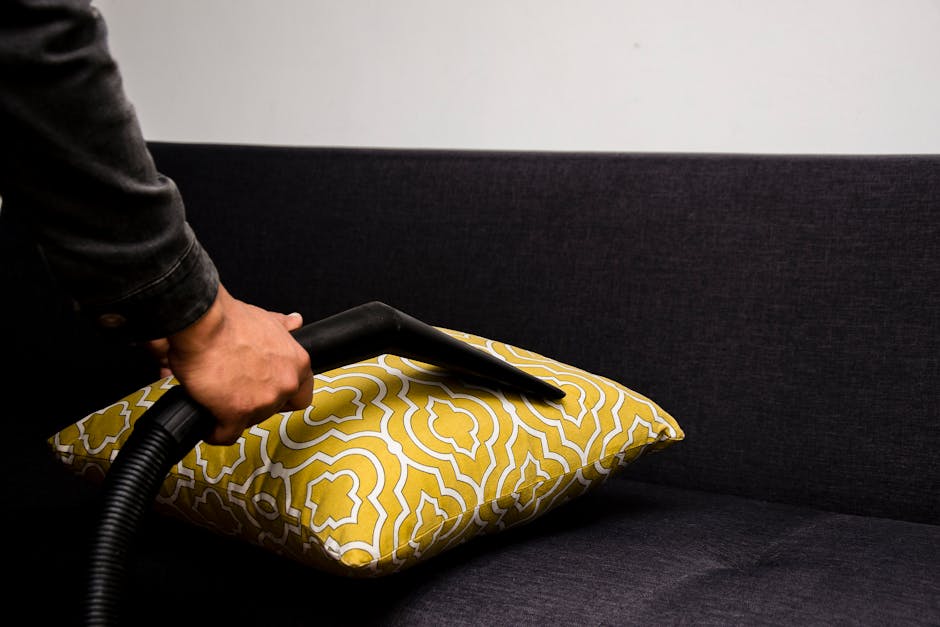
Use an upholstery attachment and slow, overlapping passes. Focus on seams, creases, under cushions, and the backs of seat cushions where crumbs and grit hide. Vacuuming first stops dirt from turning into mud once moisture is used.
3. Blot, do not rub
For fresh spills, blot with a clean white cloth or paper towel. Press gently and lift away. Rubbing pushes liquid deeper and can distort the pile. That part is annoyingly easy to do, especially when you are in a panic.
4. Test a hidden area
Use a small amount of your chosen cleaner on an unseen patch, such as the back edge or lower skirt. Wait for the area to dry. Look for colour transfer, texture change, or watermarking before moving on.
5. Apply the right treatment
Match the stain to the treatment. A mild detergent solution may help with food or drink spills on suitable fabrics. A solvent-based product may be better for grease or oil on compatible materials. Protein stains such as milk, egg, or pet accidents often need cool water and careful cleaning, not heat. Heat can set the stain, which is one of those annoying cleaning facts nobody wants to hear after the fact.
6. Work from the outside in
Always treat the outer edge of the stain first, then move inward. This helps stop the mark spreading into a larger halo. Use small amounts of solution. More product is not automatically better.
7. Remove residue
Once the stain lifts, lightly blot with clean water or a cloth dampened according to the fabric type. Residue left in the fibres can attract dirt faster, so do not skip this part.
8. Dry carefully
Open windows if possible, improve airflow, and keep cushions separated so air can circulate. Avoid sitting on the item until it is properly dry. Rushing the drying stage can cause smells or re-soiling. A fan helps; strong heat usually does not, unless the fabric guidance specifically allows it.
9. Reset the pile
Once dry, some fabrics benefit from a soft brush to lift the pile and restore the finish. This is particularly useful on velvet-style fabrics where the nap can look flattened after cleaning.
Expert Tips for Better Results
Small details matter more than people think. Here are the habits that usually make the biggest difference.
- Act quickly on fresh spills: the sooner you start, the better your odds.
- Use white cloths: coloured cloths can transfer dye. It does happen.
- Keep cleaning solutions mild: harsh products can bleach or leave rings.
- Don't soak the fabric: excess water can damage padding and backing.
- Work in small sections: large wet areas are harder to control.
- Ventilate the room: drying properly is part of the cleaning job.
- Treat odour as well as appearance: a stain may be gone while the smell remains.
Another useful tip: photograph the stain before you treat it. Not for drama. Just for comparison. It helps you see whether the mark is actually lifting or whether you are chasing your tail with a half-successful clean. And yes, upholstery can be a bit stubborn sometimes.
If you are coordinating a larger household refresh, a seasonal service such as one-off cleaning in Islington can be a sensible way to bundle tasks rather than tackling everything piecemeal.
Common Mistakes to Avoid
This is where a lot of DIY efforts go sideways. Nothing dramatic, usually, just small choices that create bigger problems later.
- Rubbing a stain aggressively: this spreads the mark and damages the fibres.
- Using too much water: moisture can soak into the filling and cause odours.
- Using bleach or strong stain removers without checking: colour loss can be permanent.
- Skipping the patch test: a hidden test area is boring but essential.
- Mixing products: some combinations can react badly or leave residue.
- Trying to dry too fast with intense heat: this can set the stain or warp the fabric.
- Cleaning the wrong stain type: grease, ink, wine, and protein stains need different handling.
There is also the classic mistake of assuming all "fabric cleaner" products are safe on all upholstery. They are not. A sofa is not a kitchen counter. Different rules, different risks. Slightly annoying, but there it is.
If you are unsure about your own approach, it is often safer to compare the condition of the item against a professional service page such as pricing and quotes before deciding whether the job is a DIY clean or one for a trained technician.
Tools, Resources and Recommendations
You do not need a cupboard full of specialist gear to keep upholstery in decent shape. A few good basics go a long way.
| Tool or product | What it helps with | Best use | Watch out for |
|---|---|---|---|
| Upholstery vacuum attachment | Loose dust, crumbs, pet hair | Routine maintenance | Avoid dragging hard bristles on delicate fabric |
| White microfibre cloths | Blotting spills and applying solution | Most stain removal work | Do not overload with liquid |
| Mild fabric-safe cleaner | General soil and light marks | Compatible washable upholstery | Always test first |
| Soft brush | Lifting the nap or pile | Dry finishing and texture restoration | Be extra gentle on velvet and brushed fabrics |
| Fan or open-window airflow | Drying and odour control | After cleaning | Avoid overheating the fabric |
For people who prefer a deeper refresh rather than handling everything themselves, a reputable upholstery service should explain the fabric type, cleaning method, drying expectations, and any limitations before starting. That kind of transparency matters. If you want to understand broader company information, the about us page and insurance and safety details are both useful places to check.
For residents in nearby flats and apartments, context matters too. A smaller home can feel much fresher after the upholstery is cleaned, especially if ventilation is limited or the room doubles as an office. Related local reading like the Upper Street flat cleaning guide and N1 apartment carpet cleaning tips can help if you are planning a broader tidy-up in a compact space.
Law, Compliance, Standards and Best Practice
For most homeowners, upholstery cleaning is a practical household task rather than a regulated activity. Even so, good practice still matters, particularly where safety, product use, and customer trust are concerned.
In the UK, professional cleaners should work carefully with chemicals, follow product instructions, and take reasonable steps to protect people, furnishings, and property. That usually means proper ventilation, suitable personal protective equipment where needed, and a cautious approach to unknown fabrics. If a technician is working in a home with children, pets, or fragile items, they should be sensible about access, drying times, and product residue. Common sense, really, but it should be visible.
For anyone hiring a service, it is sensible to check that the company explains what is included, what is excluded, and how they handle any issue or complaint. Pages such as terms and conditions and the complaints procedure help set those expectations clearly. You should also expect straightforward information about payments and data handling, which is why payment and security and privacy information matter too.
For business settings such as waiting areas, shared offices, or rented workspaces, the standard becomes even more practical. Cleaning should not interrupt operations more than necessary, and drying time should be planned so seats can be used again safely. If you need broader support in that environment, office cleaning in Islington may be relevant alongside upholstery care.
Options, Methods and Comparison Table
There is more than one way to clean upholstery, and the best choice depends on fabric type, stain severity, and how much risk you are willing to take. Here is a simple comparison.
| Method | Best for | Pros | Limitations |
|---|---|---|---|
| Dry vacuum and spot treatment | Routine upkeep and very fresh marks | Low moisture, low risk, quick | Won't remove deep-set soil |
| Mild hand cleaning | Compatible washable fabrics | Controlled, affordable, targeted | Easy to over-wet or leave rings |
| Low-moisture professional cleaning | Most everyday upholstery | Balanced cleaning with quicker drying | Not suitable for every fabric |
| Hot-water extraction | Some synthetic upholstery and heavier soiling | Can remove more embedded dirt | Too much moisture for delicate fabrics |
| Solvent-based treatment | Oil, grease, certain specialist fabrics | Useful for stains that resist water-based cleaning | Needs strong fabric compatibility checks |
If you are comparing professional services, think about the whole picture: fabric knowledge, drying time, transparency, and whether the provider is willing to say "this is not the right method for your item". That honesty is worth a lot. Sometimes the best answer is not a more aggressive clean, but a safer one.
Case Study or Real-World Example
A typical Highbury situation might go like this. A household notices a faint coffee stain on a light-coloured two-seater sofa after a rushed weekday morning. At first it seems small, so they leave it. A few days later, the mark has darkened slightly and the surrounding fabric looks dull from repeated wiping with a damp cloth.
Instead of scrubbing harder, the better approach is to vacuum the area, test a mild solution in a hidden patch, and use a tiny amount of cleaner with repeated blotting. The stain is treated from the edge inward, residue is removed, and the cushion is left to dry with airflow around it. The result is not perfect because some coffee has already settled, but the visible mark is greatly reduced and the fabric looks more even.
That is the key lesson: fast, calm action usually works better than panic. A careful owner can often save a piece from becoming a permanent eyesore, while a rushed repair attempt can turn one stain into three. We have all seen that happen. Not ideal.
For a larger refresh, the homeowner may decide to pair sofa cleaning with a broader home clean such as spring cleaning support or, if the whole home has taken a beating, a one-off cleaning visit so the job does not stop at the sofa.
Practical Checklist
Use this checklist before you start any upholstery cleaning job. It keeps things simple and prevents a lot of avoidable mistakes.
- Check the care label or fabric type if you can.
- Vacuum the item thoroughly, including seams and cushion gaps.
- Identify whether the stain is water-based, oil-based, or protein-based.
- Test any cleaner on a hidden area first.
- Use white cloths and blot gently, do not rub.
- Apply only a small amount of product at a time.
- Work from the outside of the stain toward the centre.
- Remove residue once the stain has lifted.
- Allow full drying with good airflow.
- Brush the pile lightly if the fabric requires it.
- Stop if the colour changes, the fabric distorts, or the stain worsens.
Quick takeaway: if the item is delicate, valuable, antique, or badly marked, do not keep experimenting. At that point, the safest decision is usually professional help.
Conclusion
A thoughtful approach to upholstery care can save time, money, and a fair amount of stress. The basic idea is simple: know your fabric, treat stains early, use the lightest safe method, and dry the item properly. Once you do that consistently, your furniture tends to reward you by looking better for longer.
In Highbury Estate, where homes are often lived in properly rather than just decorated, upholstery cleaning becomes part of everyday maintenance. It is not glamorous. But it is one of those small jobs that quietly improves how a room feels the moment you sit down. And that matters more than people admit.
If you would like help choosing the right cleaning approach, checking a fabric-safe method, or planning a wider refresh for your home, you can explore the service details or make an enquiry through the site. Contact the team if you want to ask a question, or use the request a quote form when you are ready to compare options.
Get a free quote today and see how much you can save.
Clean upholstery is not just about looking tidy. It is about making home feel calm again, which is a lovely thing when the week has been a bit much.