Mattress and upholstery disposal rules for Islington cleaners
Posted on 18/08/2026
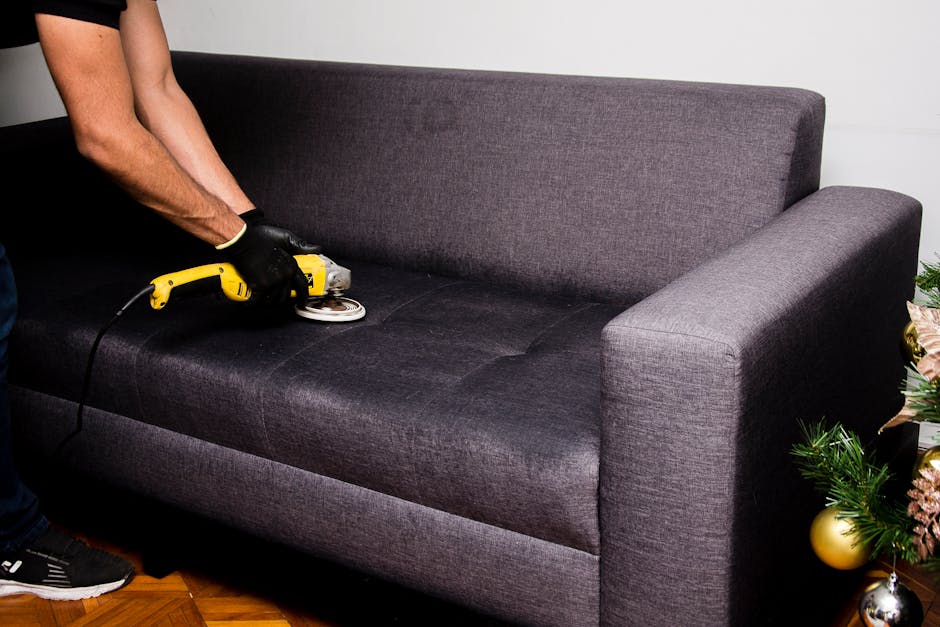
Mattress and upholstery disposal rules for Islington cleaners: a practical guide for safe, compliant work
If you clean homes, flats, or managed properties in Islington, mattress and upholstery disposal can be one of those jobs that looks simple right up until you are stood at the front door with a heavy divan base, a stained sofa, and no clear plan. Mattress and upholstery disposal rules for Islington cleaners matter because the wrong move can lead to fly-tipping problems, missed collections, tenant complaints, awkward access issues, and avoidable costs. The good news? Once you understand the basic process, the job becomes much more manageable. This guide walks through what is expected, how disposal usually works, the practical risks, and the best way to keep clean-ups tidy, safe, and professional.
Why Mattress and upholstery disposal rules for Islington cleaners Matters
Let's face it: disposing of a mattress or old sofa is not just a bit of housekeeping. It is a waste handling decision. In a busy borough like Islington, where many properties have narrow stairwells, shared entrances, basement flats, and limited curb space, disposal needs more forethought than most people expect.
For cleaners, the issue is not only about removing bulky items. It is about doing so in a way that protects the client's property, respects neighbours, and avoids creating a mess in communal areas. One dragging mishap down a painted staircase can turn a routine job into a complaint. And if an item is left in the wrong place, that can quickly become a council enforcement headache or an ugly scene outside the building. Nobody wants that, on a rainy Tuesday morning when everyone is trying to get to work.
There is also a trust angle. Clients usually want a cleaner who knows what can be removed, what must be separated, and what should never be dumped casually. If you are offering a broader service set, this is where operational care really shows. It pairs naturally with end of tenancy cleaning in Islington, upholstery cleaning, and deep cleaning, because disposal often sits at the end of a longer clean-up process.
Expert summary: the cleaner who handles bulky waste carefully usually saves time, reduces risk, and leaves a better impression. It is not glamorous. It is just good practice. And in this line of work, good practice pays.
How Mattress and upholstery disposal rules for Islington cleaners Works
In practical terms, disposal starts with identification. Is the item a mattress, a sofa, a chair, an armchair, a headboard, or a broken ottoman? What looks like one item may actually need to be split into different waste streams. A mattress, for example, is bulky waste and can contain mixed materials. Upholstered furniture may have timber, fabric, foam, metal fixings, and sometimes detachable cushions or legs. That mix matters because responsible disposal often depends on sorting and collection method.
For most cleaners, the process follows a simple flow:
- Assess the item and confirm what needs removing.
- Check access, lifting points, and whether disassembly is needed.
- Protect floors, walls, and door frames before moving anything.
- Separate parts where practical, especially if the item is broken down for easier handling.
- Use the client's agreed waste route, such as a licensed waste collection service or a local bulky waste arrangement where appropriate.
- Keep records, receipts, or job notes so the disposal trail is clear.
The "rules" part is really about not improvising. A cleaner should not guess. If a mattress is filthy, water-damaged, infested, or suspiciously contaminated, that can change how it should be handled. If a sofa has loose springs or exposed staples, it becomes a safety issue. If the client expects you to take it away as part of the clean, the quote and scope should have been clear from the start. That is why clear booking language helps, and why pages such as pricing and quotes and clear quote tips for N1 bookings are genuinely useful reading for anyone trying to avoid misunderstandings.
One more thing: in a lot of Islington properties, access is the real bottleneck. A mattress can be physically removable and still be impractical if the stairwell is very tight. If you have ever tried turning a king-size mattress on a narrow landing, you will know the sound of a fabric edge catching a handrail. Not ideal.
Key Benefits and Practical Advantages
There is a strong operational case for handling disposal properly, and not just a compliance one.
- Cleaner jobs finish better: the site is left looking complete, not half-finished with a bulky object in the hallway.
- Lower risk of damage: correct lifting and wrapping reduce scuffs, tears, and broken trims.
- Fewer client complaints: expectations are clearer when disposal is planned in advance.
- Better time management: you avoid the last-minute scramble of figuring out where a mattress can go.
- Stronger professional image: clients notice when a cleaning team is careful with bulky waste.
- Safer working conditions: less chance of slips, strains, and trips over loose debris.
For landlords and tenants, the benefits are just as obvious. A tidy disposal plan helps with move-out deadlines, deposit handover, and avoiding that slightly awkward "Who is taking this sofa?" conversation at the end of a tenancy. The cleaner who can guide that process becomes a lot more valuable than someone who simply says, "We'll sort it somehow."
If the property is being prepared for sale or re-let, disposal may sit alongside other services. In those cases, clients often combine clearance with house cleaning, one-off cleaning, or even spring cleaning. It keeps the whole job flowing rather than turning it into three separate visits. Truth be told, that is usually easier for everybody.
Who This Is For and When It Makes Sense
This guidance is most useful for cleaning contractors, independent domestic cleaners, end-of-tenancy teams, and property managers working across Islington and nearby N1 postcodes. It also helps tenants, landlords, letting agents, and homeowners who need to understand what a cleaner can reasonably handle and what should be arranged separately.
You will find it especially useful when:
- a tenant has left behind a mattress, sofa, or armchair;
- a property is being deep cleaned before photos, viewings, or re-occupation;
- an upholstered item has been damaged beyond practical cleaning;
- a client wants disposal bundled into a standard cleaning visit;
- the building has awkward access or shared corridors;
- there is a tight deadline and the bulky waste needs removing fast;
- you need to avoid confusion about what is cleaning and what is clearance.
If you are working in a flat with a steep staircase or a compact entryway, it is worth checking access before you promise anything. Some jobs are fine with a two-person lift. Others are not. That is where an experienced local team can help, especially in places like Upper Street, Angel, Holloway, and Highbury where layouts can vary wildly from one building to the next. If access is already looking awkward, a guide like difficult access cleaning in Islington is a sensible companion read.
Step-by-Step Guidance
Here is a straightforward way to handle mattress and upholstery disposal without making a meal of it.
1. Confirm the item and the scope
Ask the client exactly what needs removing. Is it one mattress, a bed base, a sofa, or a set of dining chairs? Does disposal form part of the clean, or is it an additional service? A five-minute clarification at the start can save twenty minutes of awkwardness later.
2. Inspect for contamination or unusual condition
If an item is heavily soiled, damp, infested, mouldy, or broken in a way that exposes internal materials, flag it early. That does not automatically make it impossible to remove, but it may change how it should be handled and transported. Better to be cautious than optimistic.
3. Check access before moving
Measure the route if needed. Look at stair width, turns, landings, lift access, parking constraints, and the distance to any loading point. In London, this is often where the plan changes. A bulky item may fit through the front door and then stall at the first bend. Annoying, yes. Common, also yes.
4. Protect the route
Use floor protection, corner protection, or a lifting blanket where appropriate. If the item is dusty or shedding fibres, wrap it before moving. This is particularly helpful for older fabric sofas and mattresses that have seen better days.
5. Remove safely and avoid overreaching
Two-person handling is often the safer option. Communicate clearly. No sudden turns, no rushing, no heroics. If the item feels unsafe, stop and reassess.
6. Separate parts where possible
Detachable legs, cushions, and metal fittings can often be removed to make transport easier. For some items, a simple strip-down is all that is needed. For others, a full break-down may not be worthwhile. Use judgement, not habit.
7. Arrange lawful disposal or collection
Use the agreed collection channel. Make sure the disposal route is suitable for bulky household waste and consistent with local requirements. If a licensed waste carrier is involved, keep the booking details and any proof of disposal with the job notes. Small admin, big peace of mind.
8. Leave the property clean and presentable
Once the item is out, vacuum debris, check for fixings or fibres, and remove any packaging. A clean removal point matters. Clients do notice if there is a trail of dust or foam crumbs left behind.
Expert Tips for Better Results
Here are the small things that make a surprisingly big difference.
- Quote for disposal separately unless it is genuinely included: bundled pricing is fine, but only if it is explicit.
- Photograph bulky items before moving them: helpful for record-keeping and for any later query about condition.
- Use the client's building rules where relevant: many managed blocks have their own waste handling expectations.
- Check parking and loading early: if you need to carry a mattress half a street, it will affect timings.
- Keep a spare roll of tape and a cover sheet: one of those tiny bits of kit that saves the day.
- Assume the stairwell is tighter than it looks: because, usually, it is.
In our experience, the smoothest jobs are the ones where the cleaner asks one extra question before arrival: "Do you want the old mattress removed too?" That sounds basic, almost too basic, but it stops a lot of friction. And yes, some clients will say, "Oh, I forgot to mention that." Happens all the time.
If you want to align bulky-waste work with your wider service standards, it is worth reviewing your own health and safety policy and the practical expectations in services overview. That keeps the disposal process consistent rather than improvised job by job.
Common Mistakes to Avoid
Most problems here are avoidable. The tricky part is that they usually start with a small assumption.
- Assuming disposal is included: if it is not written down, it is not safely included.
- Leaving the item in the wrong place: hallways, shared bin stores, and pavements are not "temporary solutions."
- Underestimating access: one oversized sofa can turn a quick visit into a slow one.
- Not protecting the route: little chips in paintwork are the kind of detail clients remember.
- Mixing cleaning and clearance responsibilities: those are related, but not the same.
- Skipping proof of disposal: useful if a client asks later what happened to the item.
- Rushing contaminated items: if something is mouldy, damp, or otherwise questionable, slow down and assess properly.
There is also a quieter mistake: not knowing when to say no. If an item is too heavy, too damaged, or too awkward for safe removal, the professional move is to pause and advise on a better route. That is not being difficult. That is being responsible.
Tools, Resources and Recommendations
You do not need an elaborate toolkit, but a few basics make disposal far safer and cleaner.
| Tool or resource | Why it helps | Best use |
|---|---|---|
| Furniture blankets | Protect walls, floors, and upholstery during movement | Stairwells, tight hallways, shared entrances |
| Gloves with grip | Improve handling and reduce slips | Mattresses, sofas, broken frames |
| Heavy-duty tape and wrap | Keeps loose fabric, dust, or foam under control | Old or shedding furniture |
| Measuring tape | Confirms access before lifting starts | Flats, basements, narrow landings |
| Job notes or disposal log | Supports accountability and follow-up | Any client job involving bulky waste |
For clients, the most useful "resource" is often simply a clear service discussion before booking. If you are arranging a clean after a tenant move-out, it helps to pair the visit with the right scope, whether that is end of tenancy cleaning or a broader domestic cleaning appointment. If the job is bigger than one visit, a quick call through the site's contact page can save a lot of back-and-forth.
And if the client wants the numbers first, a straightforward request a quote step is usually the cleanest way to pin things down. Nice and simple. No mystery maths.
Law, Compliance, Standards, or Best Practice
Without turning this into a legal lecture, the safest approach is to treat mattress and upholstery disposal as controlled waste handling, not casual rubbish removal. In the UK, cleaners are generally expected to use responsible disposal routes, avoid fly-tipping, and make sure waste is handled in a way that is consistent with local and national requirements. If you are unsure, the conservative rule is simple: do not guess, and do not leave waste in an uncontrolled place.
Good practice usually includes:
- confirming who is responsible for disposal before the job starts;
- keeping records of what was removed and where it went;
- using suitable collection methods for bulky items;
- avoiding contamination of communal areas;
- working within any building, tenancy, or site rules;
- training staff on lifting, manual handling, and safe transport.
This matters even more where upholstery items are involved, because mixed materials can complicate disposal. Old furniture may contain wood, foam, metal, fabric, or synthetic fills. A cleaner does not need to become a waste specialist, but they do need enough awareness to avoid sloppy handling.
For businesses, internal policies are useful too. A clear terms and conditions page and an accessible insurance and safety explanation help clients understand where service boundaries begin and end. That kind of transparency is boring in the best way. It prevents problems before they start.
Options, Methods, or Comparison Table
There is more than one way to deal with bulky fabric furniture. The right method depends on the item's condition, the access, and how quickly the client needs it gone.
| Method | Best for | Pros | Trade-offs |
|---|---|---|---|
| Cleaner removes and arranges disposal | End-of-tenancy jobs, one-off clearances, managed rentals | Convenient for client, coordinated on one visit | Needs clear scope and safe handling |
| Client arranges disposal separately | Budget-conscious jobs, simple move-outs | Less responsibility for cleaner | Client must manage timing and logistics |
| Item is repaired, cleaned, or retained | Minor wear, salvageable upholstery | Can save money and reduce waste | Not suitable for severe damage or contamination |
| Broken down on site before removal | Large sofas, awkward mattresses, tight access properties | Eases movement through narrow routes | More labour, more time, some items are not practical to strip down |
If the property has difficult access, the decision often comes down to speed versus safety. A quick carry may be fine for a small chair, but not for a heavy mattress with no lift and two tight corners. In that case, a planned removal is usually best. If your job calendar is already tight, it can help to review examples like same-day cleaning delays and common problems in Islington, because disposal-heavy jobs tend to be the ones that slip when access or timing is underestimated.
Case Study or Real-World Example
Here is a realistic scenario from a typical Islington flat job. A tenant moves out of a first-floor property near a busy high street. The booking is for a standard clean, but on arrival there is an old mattress in the bedroom and a two-seater sofa in the living room. The mattress is discoloured, the sofa has sagging cushions, and the stairwell is narrow with one awkward turn.
The cleaner does not try to force the issue. Instead, they confirm with the client whether the items are meant to be removed, check that the route is clear, and note that the sofa legs should be detached to reduce width. Floor protection is laid first because the hall carpet is light and a bit worn. The mattress is wrapped to contain dust. Both items are carried in a controlled way, with one person guiding at the turn and the other stabilising the weight. No rushing. No drama.
At the end, the area is vacuumed, the hallway is checked for scuffs, and the client gets a clear summary of what was removed. That is the sort of job that feels almost uneventful - which, in disposal work, is exactly what you want.
That same calm approach is especially useful in end-of-tenancy situations, where the clean may be linked to a move, a sale, or a same-week handover. If the property is part of a wider relocation or letting decision, it may also be helpful to read about house purchase and sale tips in Islington or even the broader local context in locals share whether Islington is ideal for living. Different subject, yes, but the property lifecycle often overlaps more than people expect.
Practical Checklist
Use this before any mattress or upholstery disposal job.
- Confirm the exact items to be removed.
- Check whether disposal is included in the quote.
- Inspect access routes, stairs, lifts, and parking.
- Protect floors, walls, and door frames.
- Assess whether the item needs wrapping or partial disassembly.
- Use safe lifting methods and, where needed, two-person handling.
- Keep the client informed if anything changes.
- Use a lawful disposal route or agreed collection method.
- Take notes or photos for the job record.
- Leave the area clean and free from loose debris.
It sounds basic, but basic done well is half the battle.
Conclusion
Mattress and upholstery disposal rules for Islington cleaners are really about three things: safety, clarity, and respect for the property. If you get those right, the rest of the job tends to follow. You keep the client informed, protect the building, and avoid the messy little errors that can turn a routine clean into a complaint.
The best cleaners do not treat bulky waste as an afterthought. They plan for it, price for it, and handle it with the same care they bring to the cleaning itself. That is what gives clients confidence, especially in a borough where access can be tricky and time windows are often tight. A bit of foresight goes a long way, honestly.
If you are planning a clear-out, booking a tenancy clean, or simply want to understand how disposal should be handled, take the next sensible step and get the scope agreed before the work begins. It makes the whole process calmer, cleaner, and far easier to live with.
Get a free quote today and see how much you can save.


